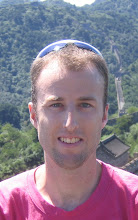
Martha in Sevilla
After dinner on Tuesday night Martha and I watched a DVD of old home videos showing Martha learning how to ride a bike. I was about 10 in the video and had only one front tooth. Wow, I had forgotten about that. The next morning we had breakfast and got an early start. We walked around the Cathedral and Giralda and went to a convent to buy some pasteles but it wasn’t open yet. Not many stores were open (at 9 am) so we went to Starbucks to get lattes. It was Martha’s first cup of Starbucks in over six months. We got some shortbread cookies when the convent pastry place opened. We then walked towards the University and went to a couple bookstores. Inside the University we ran into my brother Pedro. We got to my class ten minutes early and waited around for a few minutes until we found out that it was canceled.
So with the extra free time we walked to Parque María Luisa and saw just a little part of it (it’s huge). We also saw the Plaza de España. Martha was floored by the size of the place. The Plaza de España in Santa Cruz de la Palma is 1/100 the size of Sevilla’s. And the one in Sevilla has an enormous building, it’s more than just a plaza. We walked through the centro, got some churros con chocolate and I showed her some of the narrowest streets in the city (four or five feet in width). We walked through the main shopping and pedestrian area. Martha was excited to see more stores than she has seen all year (since Madrid in September and Venice in January). We got three montaditos (mini toasted subs) for a snack and ice cream at McDonald’s and then caught a bus to the hotel where I teach English.
We ran into one of my students, an Italian woman in her mid-20s, when we got off the bus. Martha met some of the people in the office and then we taught my two regular students for an hour and a half. We had a hard time explaining the in, on, and at prepositions. It’s hard! With just four people we were able to talk a lot and play pictionary. We took the bus back to the centro and got patatas ali oli at a tapas bar and went shopping again. I went to my literature class while Martha shopped and we met up later to walk home. That day we counted how many Americans we saw. We saw lots of students, most of them I didn’t know, a few large tour groups of old American tourists and some American families on spring break. In a single day we saw over 250 Americans. Martha has hardly seen any Americans at all in six months in La Palma.
That night we had vegetable soup and hamburgers for dinner at home and then went out. We went to Plaza Alfalfa for a drink (in the street) and Martha was surprised so see so many people out. We then went to the Carbonería bar where we saw the end of a free flamenco show and hung out with a group of Americans I know and some Spaniards that I sort of know. We then went to a little bar near my house where we ran into more friends and two Spanish guys that I knew well last semester but hadn’t seen them at all this spring. It was a really fun night and Martha got to see a little bit of everything.
On Thursday morning we went to an art museum with my Spanish art history class and saw some Gothic and Renaissance paintings but focused on the Baroque section. There was a large group of little kids (7 or 8 years old) who were really loud and my professor had to shout over them whenever they were nearby. It was my first time there and I was surprised at how big it was. I think I’ll go back because we didn’t see everything.
After the museum we went to the Corte Inglés grocery store and bought a jar of peanut butter (it’s the only grocery store in the city that has peanut butter). We then wandered into a random café looking for a drink and a snack. The place we went into turned out to be really cool, it had steep and colorful tile steps in the back that serve as benches. We took a spot in the corner and had a tuna empanada and juice. Before heading home for lunch, we stopped at a train ticket office and Martha got her AVE ticket to Madrid. Alicia prepared a huge seafood paella, enough to serve 14 people. We hung out for a bit after lunch and watched TV and then went back to the centro and Martha went shopping while I went to a class. Martha finally bought a few things after hours and hours shopping. We went home as it got dark and relaxed, we were both kind of tired after two days of walking all around Sevilla.
For dinner we had bocadillos serranitos (grilled pork, smoked ham, and fried green peppers) and then went out again. Martha met a few more of my friends, including some Wisconsin students, and we went to bar that had free sangría for ladies and then walked to a bar called the Texas Lone Star Saloon that was showing the NCAA tournament games. When we walked there it was rainy very lightly. We didn’t stay long because the place was hot and humid and packed with people. When we walked home it was raining harder so we ran most of the way and got pretty wet. We slept well through the rainstorm and the next morning Martha packed away her wet jeans and we walked to a bus stop so that she could catch a bus to the train station.
My family was really sad to see her go, it was such a short time. It was great to see her, we talked a lot about home, school and our host families. Martha finally got a chance to indulge in some American culture for the first time in months – peanut butter, Starbucks, soft-serve ice cream, college basketball and meeting American students. We ate a lot too, sampling a little bit of everything and we took pictures of almost everything we ate. We were able to compare our experiences and Martha is clearly in a better situation to learn Spanish. Without a doubt, she speaks better Spanish than all of the American college students in Sevilla, including me. And everyone she met was shocked that she is away from home for a year, goes to a Spanish high school and never uses English.
It’s Sunday today and daylight savings was last night. Martha told me she meeting up with Sandra Toran in Madrid today before flying back to La Palma. I am going to spend most of my day study for my midterms this week. Yesterday I did a volunteer activity with my program. We went to the poorest part of Sevilla, a place where taxis won’t go at night and the dumpsters and streets are ignored by the city so there are piles of trash and potholes everywhere. We saw 12-year-old kids riding mopeds and broken down cars converted into living spaces. We went to a Salesiano church that provides recreational activities for kids. One of the ministers showed us around and we played foosball and soccer with a big group of kids. We plan on going back another weekend and teaching them kickball or just helping out. Last weekend I saw Pedro Almódovar’s latest movie “Volver.” It came out last Friday in Spain. It’s really good and I understood everything except for a few jokes. It should be in theatres in the US in a few months and I highly recommend it. I also saw another movie at a huge old movie theatre in Sevilla. It’s called “La fiesta del chivo” and is about the Dominican Republic’s former dictator, Rafael Trujillo. The wireless internet is out so I can’t post pictures from my computer but I have three albums that I’ll put online when I can.
So with the extra free time we walked to Parque María Luisa and saw just a little part of it (it’s huge). We also saw the Plaza de España. Martha was floored by the size of the place. The Plaza de España in Santa Cruz de la Palma is 1/100 the size of Sevilla’s. And the one in Sevilla has an enormous building, it’s more than just a plaza. We walked through the centro, got some churros con chocolate and I showed her some of the narrowest streets in the city (four or five feet in width). We walked through the main shopping and pedestrian area. Martha was excited to see more stores than she has seen all year (since Madrid in September and Venice in January). We got three montaditos (mini toasted subs) for a snack and ice cream at McDonald’s and then caught a bus to the hotel where I teach English.
We ran into one of my students, an Italian woman in her mid-20s, when we got off the bus. Martha met some of the people in the office and then we taught my two regular students for an hour and a half. We had a hard time explaining the in, on, and at prepositions. It’s hard! With just four people we were able to talk a lot and play pictionary. We took the bus back to the centro and got patatas ali oli at a tapas bar and went shopping again. I went to my literature class while Martha shopped and we met up later to walk home. That day we counted how many Americans we saw. We saw lots of students, most of them I didn’t know, a few large tour groups of old American tourists and some American families on spring break. In a single day we saw over 250 Americans. Martha has hardly seen any Americans at all in six months in La Palma.
That night we had vegetable soup and hamburgers for dinner at home and then went out. We went to Plaza Alfalfa for a drink (in the street) and Martha was surprised so see so many people out. We then went to the Carbonería bar where we saw the end of a free flamenco show and hung out with a group of Americans I know and some Spaniards that I sort of know. We then went to a little bar near my house where we ran into more friends and two Spanish guys that I knew well last semester but hadn’t seen them at all this spring. It was a really fun night and Martha got to see a little bit of everything.
On Thursday morning we went to an art museum with my Spanish art history class and saw some Gothic and Renaissance paintings but focused on the Baroque section. There was a large group of little kids (7 or 8 years old) who were really loud and my professor had to shout over them whenever they were nearby. It was my first time there and I was surprised at how big it was. I think I’ll go back because we didn’t see everything.
After the museum we went to the Corte Inglés grocery store and bought a jar of peanut butter (it’s the only grocery store in the city that has peanut butter). We then wandered into a random café looking for a drink and a snack. The place we went into turned out to be really cool, it had steep and colorful tile steps in the back that serve as benches. We took a spot in the corner and had a tuna empanada and juice. Before heading home for lunch, we stopped at a train ticket office and Martha got her AVE ticket to Madrid. Alicia prepared a huge seafood paella, enough to serve 14 people. We hung out for a bit after lunch and watched TV and then went back to the centro and Martha went shopping while I went to a class. Martha finally bought a few things after hours and hours shopping. We went home as it got dark and relaxed, we were both kind of tired after two days of walking all around Sevilla.
For dinner we had bocadillos serranitos (grilled pork, smoked ham, and fried green peppers) and then went out again. Martha met a few more of my friends, including some Wisconsin students, and we went to bar that had free sangría for ladies and then walked to a bar called the Texas Lone Star Saloon that was showing the NCAA tournament games. When we walked there it was rainy very lightly. We didn’t stay long because the place was hot and humid and packed with people. When we walked home it was raining harder so we ran most of the way and got pretty wet. We slept well through the rainstorm and the next morning Martha packed away her wet jeans and we walked to a bus stop so that she could catch a bus to the train station.
My family was really sad to see her go, it was such a short time. It was great to see her, we talked a lot about home, school and our host families. Martha finally got a chance to indulge in some American culture for the first time in months – peanut butter, Starbucks, soft-serve ice cream, college basketball and meeting American students. We ate a lot too, sampling a little bit of everything and we took pictures of almost everything we ate. We were able to compare our experiences and Martha is clearly in a better situation to learn Spanish. Without a doubt, she speaks better Spanish than all of the American college students in Sevilla, including me. And everyone she met was shocked that she is away from home for a year, goes to a Spanish high school and never uses English.
It’s Sunday today and daylight savings was last night. Martha told me she meeting up with Sandra Toran in Madrid today before flying back to La Palma. I am going to spend most of my day study for my midterms this week. Yesterday I did a volunteer activity with my program. We went to the poorest part of Sevilla, a place where taxis won’t go at night and the dumpsters and streets are ignored by the city so there are piles of trash and potholes everywhere. We saw 12-year-old kids riding mopeds and broken down cars converted into living spaces. We went to a Salesiano church that provides recreational activities for kids. One of the ministers showed us around and we played foosball and soccer with a big group of kids. We plan on going back another weekend and teaching them kickball or just helping out. Last weekend I saw Pedro Almódovar’s latest movie “Volver.” It came out last Friday in Spain. It’s really good and I understood everything except for a few jokes. It should be in theatres in the US in a few months and I highly recommend it. I also saw another movie at a huge old movie theatre in Sevilla. It’s called “La fiesta del chivo” and is about the Dominican Republic’s former dictator, Rafael Trujillo. The wireless internet is out so I can’t post pictures from my computer but I have three albums that I’ll put online when I can.
posted by Sam at
5:17 AM
|
2 comments